
Pulp Fiction (1994)
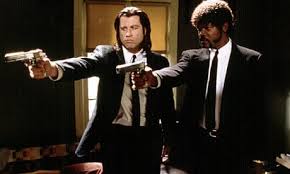
Few films have left as indelible a mark on cinema as Pulp Fiction. Directed by the visionary Quentin Tarantino, this groundbreaking work shattered conventional storytelling with its bold, non-linear narrative. The film weaves together the lives of two philosophical hitmen, a washed-up boxer, a morally conflicted gangster and his alluring wife, and a pair of hapless diner robbers, creating a mosaic of crime, tension, and dark humor. What truly sets Pulp Fiction apart is Tarantino’s masterful use of dialogue as the engine of the story, turning conversations into edge-of-your-seat suspense and unforgettable cinematic moments. A tapestry of pop culture references, razor-sharp wit, and sudden bursts of violence, the film not only captivated audiences but also reshaped Hollywood’s approach to storytelling, earning Oscars and cementing its status as a modern classic.
Casablanca (1942)

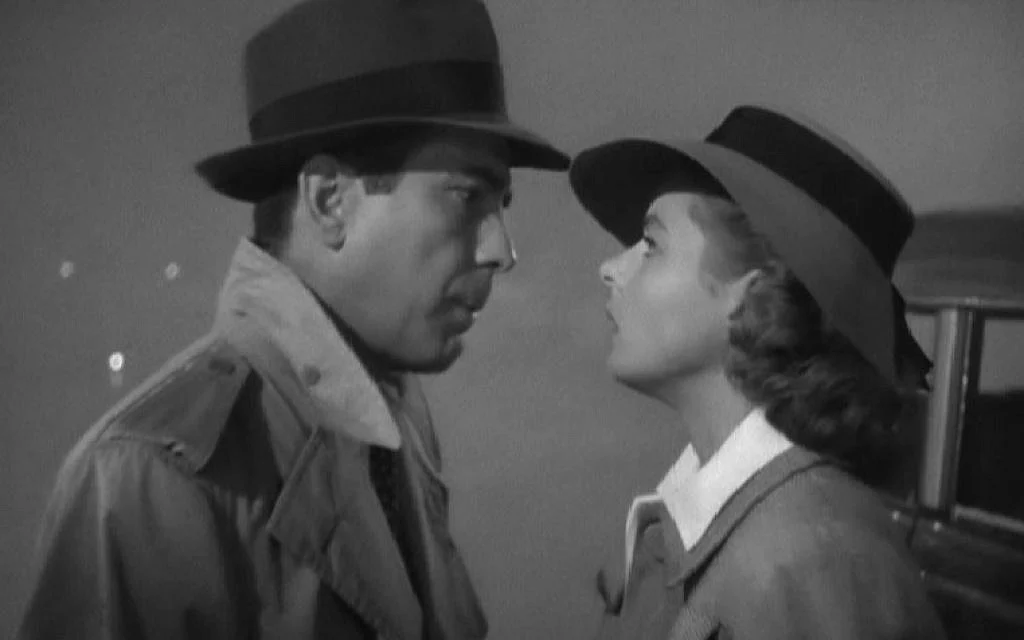
There are films that transcend time, resonating with every generation that discovers them, and Casablanca is one of them. Directed by Michael Curtiz, this wartime romance stars Humphrey Bogart as the stoic nightclub owner Rick Blaine, and Ingrid Bergman as his lost love, Ilsa Lund. Set against the shadow of Vichy-controlled Morocco during World War II, Casablanca explores love, sacrifice, and moral ambiguity with a poignancy that still resonates today. Its iconic lines, unforgettable characters, and sweeping cinematography helped it win the Academy Award for Best Picture, ensuring that each screening feels like a timeless encounter with the magic of classic Hollywood.
The Matrix (1999)
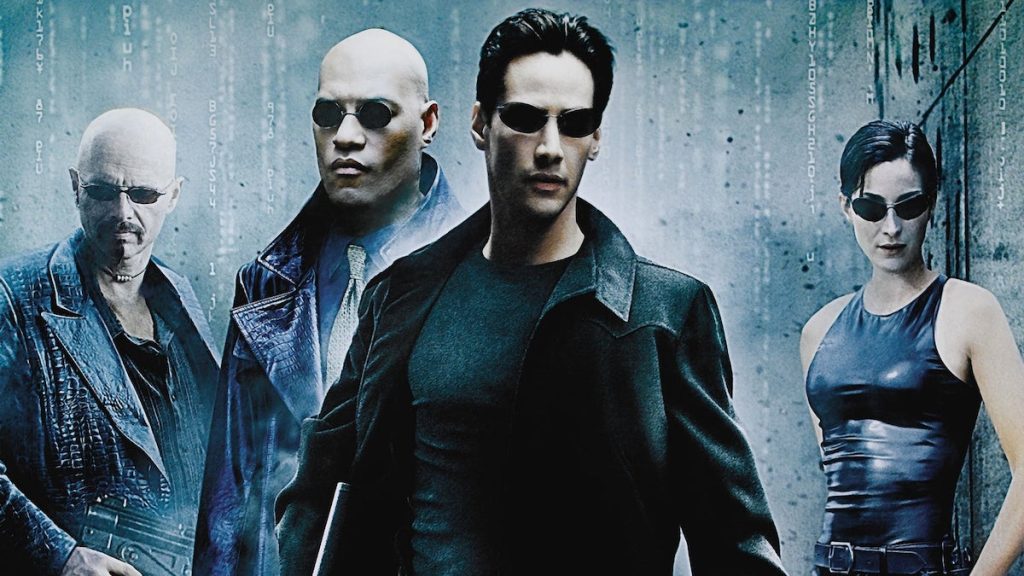
In the late 1990s, cinema witnessed a revolution with the release of The Matrix. Directed by Lana Wachowski and Lilly Wachowski, this mind-bending film stars Keanu Reeves as Neo, a hacker-turned-savior, Laurence Fishburne as the enigmatic Morpheus, and Carrie-Anne Moss as the formidable Trinity. The Matrix redefined the science fiction genre with its groundbreaking visual effects, gravity-defying fight choreography, and philosophical undertones. Its concept of the blue pill and red pill became a cultural metaphor, sparking debates about reality, freedom, and choice. More than a blockbuster, it became a cultural phenomenon, leaving a legacy that still shapes pop culture, technology-inspired storytelling, and the imaginations of filmmakers around the world.